

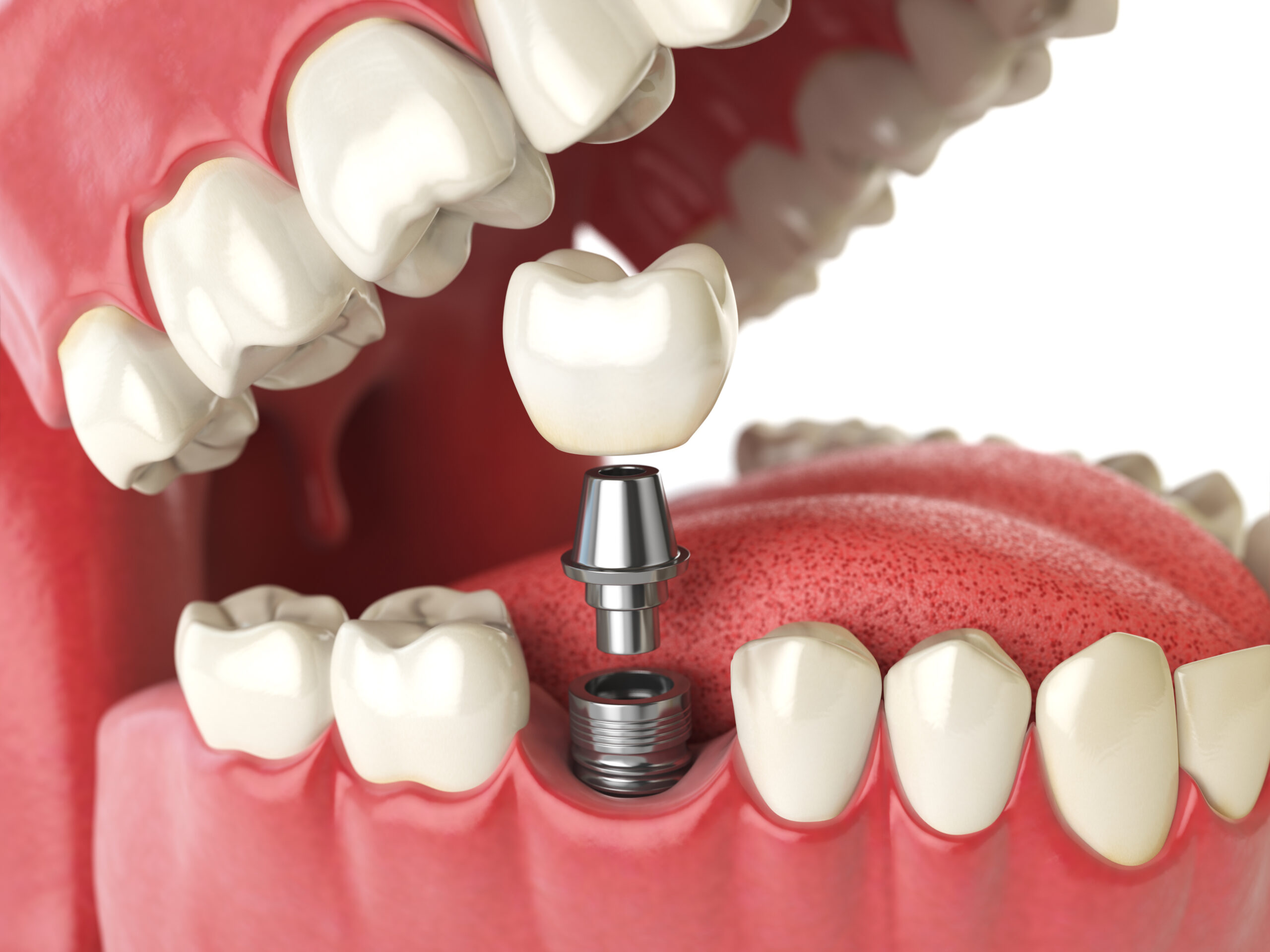
Replacing a missing tooth isn't just about filling a gap in your smile. It's about preserving your oral health, maintaining proper bite function, and preventing bone loss that can alter your facial structure. The choice between a dental bridge and a dental implant affects not only how your restoration looks, but also how long it lasts and how it affects the surrounding teeth.
At Virgin River Dental in St. George, Utah, Dr. Brett Davis helps patients weigh the benefits and considerations of both options. With his DMD from the University of Nevada, Las Vegas School of Dental Medicine and membership in the American Dental Association, Dr. Davis provides clear guidance on which tooth replacement solution fits your oral health needs, budget, and long-term goals.
What Is a Dental Bridge?
A dental bridge uses the teeth on either side of the gap to support a replacement tooth. Your dentist prepares these neighboring teeth by removing a portion of their structure, then places crowns over them to anchor the bridge. The replacement tooth, called a pontic, sits between these crowns and fills the space left by your missing tooth.
This option works well when you have strong, healthy teeth adjacent to the gap. Bridges can replace one or more consecutive missing teeth and typically last five to 15 years with proper care. They require no surgery and can be completed in just a few appointments.
What Is a Dental Implant?
Dental implants replace both the root and crown of a missing tooth. We surgically place a titanium post into your jawbone, where it fuses with the bone over several months. Once healed, a custom crown attaches to the implant, creating a restoration that functions like a natural tooth.
Implants don't rely on neighboring teeth for support. They stimulate your jawbone the way natural tooth roots do, which helps prevent the bone loss that typically follows tooth extraction. Research shows that dental implants have a success rate of 95%, making them one of the most reliable tooth replacement options available.
Key Differences Between Bridges and Implants
The most significant difference lies in how each restoration interacts with your mouth. The following factors may help you determine which option better suits your situation:
- Lifespan: Implants can last a lifetime with proper care, while bridges typically need replacement after 10 to 15 years.
- Adjacent teeth: Bridges require altering healthy teeth on both sides of the gap, whereas implants stand independently and preserve surrounding tooth structure.
- Bone preservation: Implants prevent jawbone deterioration by mimicking natural tooth roots, while bridges don't address bone loss in the gap.
- Maintenance: Bridges require special flossing techniques and can trap food under them, while implants are cleaned just like natural teeth.
- Healing time: Bridges can be placed in a matter of weeks, but implants require three to six months for the bone to integrate with the titanium post.
These distinctions affect not just the immediate treatment, but how your mouth looks and functions years down the road.
Making the Right Choice for Your Smile
Several factors influence whether a bridge or implants work best for you. Your overall oral health matters. If the teeth next to your gap already have large fillings or crowns, a bridge might make sense, as those teeth would benefit from the added support. However, if those teeth are healthy, altering them to support a bridge may not be the ideal approach.
Budget plays a role, too. Bridges typically cost less upfront than implants, but when you factor in potential replacements over time, implants often prove more economical in the long run. Your jawbone density also matters. Adequate bone is essential for implant success, though bone grafting can address deficiencies in many cases.
Your lifestyle and preferences count as well. If you want a solution that feels most like your natural teeth and you're willing to invest in longevity, implants offer clear advantages. If you need a faster solution or prefer to avoid surgery, a bridge provides a reliable alternative.
Trust Virgin River Dental With Your Tooth Replacement
Dr. Brett Davis and the team at Virgin River Dental combine modern technology with personalized care to help you restore your smile. As a member of the American Dental Association with international humanitarian dental experience, Dr. Davis brings both technical skill and a patient-centered approach to every cosmetic dentistry procedure. The practice's all-digital office utilizes a 3D panoramic x-ray machine for precise treatment planning.
Whether you need a bridge or an implant, Virgin River Dental offers same-day consultations and insurance-friendly options. The family-focused practice in Dinosaur Crossing features kids' activities and TVs in every treatment room, making dental care comfortable for patients of all ages. Contact Virgin River Dental to discuss which tooth-replacement option best fits your needs and schedule your consultation today.